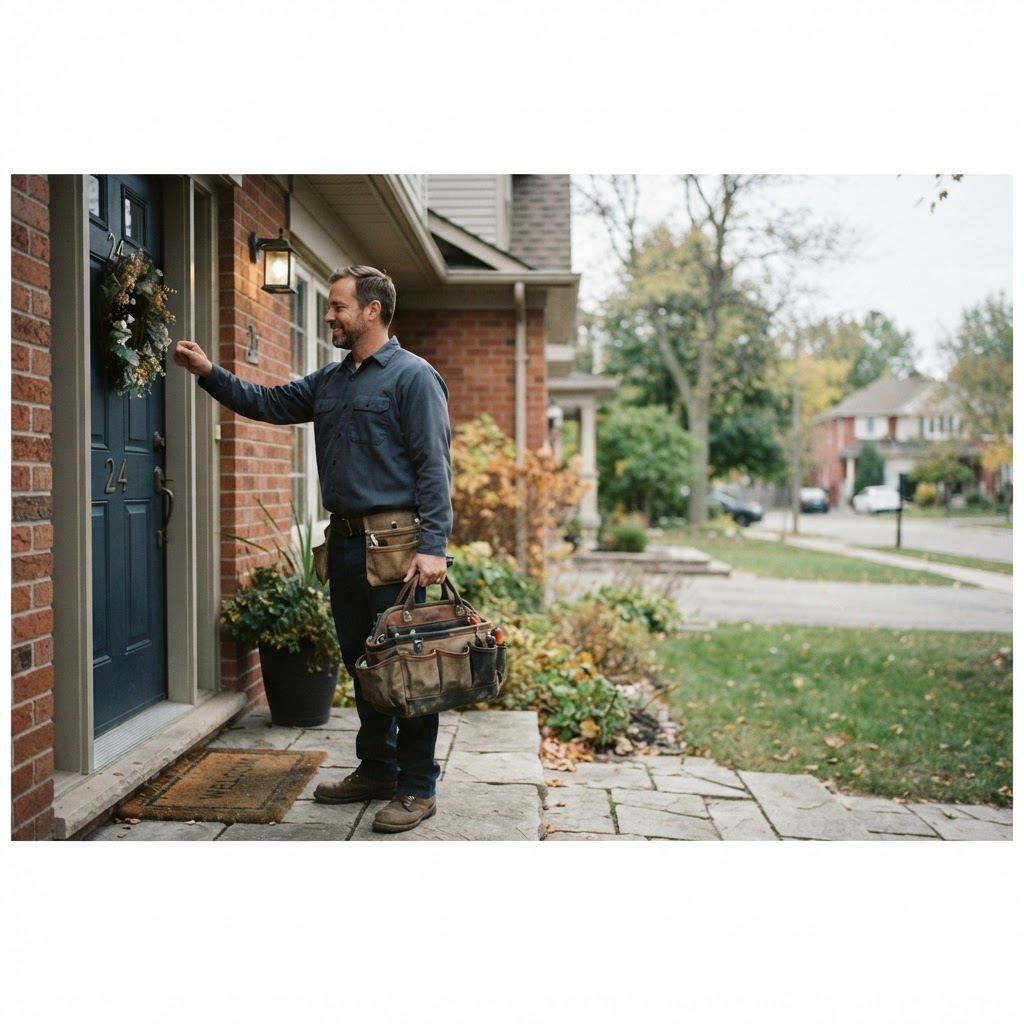
Turn Past Customers Into Repeat Revenue
The most overlooked growth channel in a service business isn't a new ad platform. It's the customers who already trust you — and most businesses never call them again.
LeadRilo Editorial Team
Lead-to-revenue research & writing

Service businesses pour enormous energy into finding new customers and almost none into keeping the ones they've already served. It's backwards. The customer you finished a job for last spring already trusts you, already knows your work, and is far more likely to hire you again than a stranger who's never heard your name. Yet most businesses complete a job, say goodbye, and never reach out again.
Turning past customers into repeat revenue is one of the highest-return moves a service business can make. It costs almost nothing, it builds on trust you've already earned, and it produces not just repeat jobs but referrals and reviews that fuel everything else.
Why past customers are your best customers
A new lead has to be convinced you're trustworthy, competent, and worth the price. A past customer already believes all three, because you proved it on the job. That trust dramatically shortens the path to the next sale. There's no skepticism to overcome, no comparison shopping against three competitors — just a business they already like, staying in touch.
Already trusted
no need to prove yourself again
Lower cost
than acquiring a brand-new customer
Referrals
happy past customers send you more work
The three ways past customers grow your business
1. Repeat work
Almost every service has a natural repeat cycle. HVAC systems need seasonal maintenance. Homes need cleaning again, landscaping every season, and eventually the next project. Legal and medical clients have recurring needs. If you're not the one reminding them when it's time, you're leaving that repeat work for a competitor to pick up.
2. Referrals
A satisfied past customer is your most credible salesperson. When their neighbor asks for a recommendation, you want to be top of mind — and you stay top of mind by staying in touch. A simple, occasional check-in keeps you the obvious answer when someone they know needs your service.
3. Reviews
Online reviews power your ability to win new leads, and the best time to ask for one is right after a job well done. A systematic follow-up that invites a review turns your past-customer relationships into the social proof that makes every future lead easier to close.
Building a stay-in-touch system
Good intentions aren't a system. Every owner means to keep in touch with past customers, and almost none do consistently, because there's always something more urgent. The fix is to make it automatic — a light, respectful cadence that runs whether or not anyone remembers.
A stay-in-touch cadence keeps past customers cycling back into new work over time.
- Right after the job: a thank-you and an invitation to leave a review.
- A sensible interval later: a check-in tied to the natural repeat cycle of your service.
- Seasonally or annually: a helpful, low-pressure touch that keeps you top of mind.
- Always: an easy way for them to reply, rebook, or refer a friend.
Start with the list you already have
You don't need a fancy program to begin. Pull together the list of customers you've served, sort out who's due for another service or overdue for a check-in, and reach out with a genuine, helpful message. Then put a repeatable cadence behind it so it keeps happening. The relationships are already built — the only thing missing is the habit of maintaining them.
Your next job might not require a new customer at all — just a phone call to one you already made happy.
Frequently asked questions
How often should I contact past customers?
Follow the natural rhythm of your service. A thank-you and review request right after the job, a check-in tied to your service's repeat cycle, and a seasonal or annual helpful touch is a solid default. The key is a consistent, light cadence that stays helpful rather than salesy — not sporadic bursts.
What should I say when reaching out to a past customer?
Lead with value, not a hard sell. A maintenance reminder, a seasonal tip, or a genuine thank-you keeps you top of mind and feels helpful. Reference the work you did for them so it's personal, and make it easy for them to reply, rebook, or refer a friend.
Why is repeat business cheaper than new customers?
Because the hardest and most expensive part — earning trust — is already done. A past customer knows your work and doesn't need convincing, so the path to the next job is far shorter and cheaper than acquiring and converting a brand-new lead. The same relationship also drives referrals and reviews.